






From horse-drawn machinery to autonomous robots: 80 years of innovation in agriculture
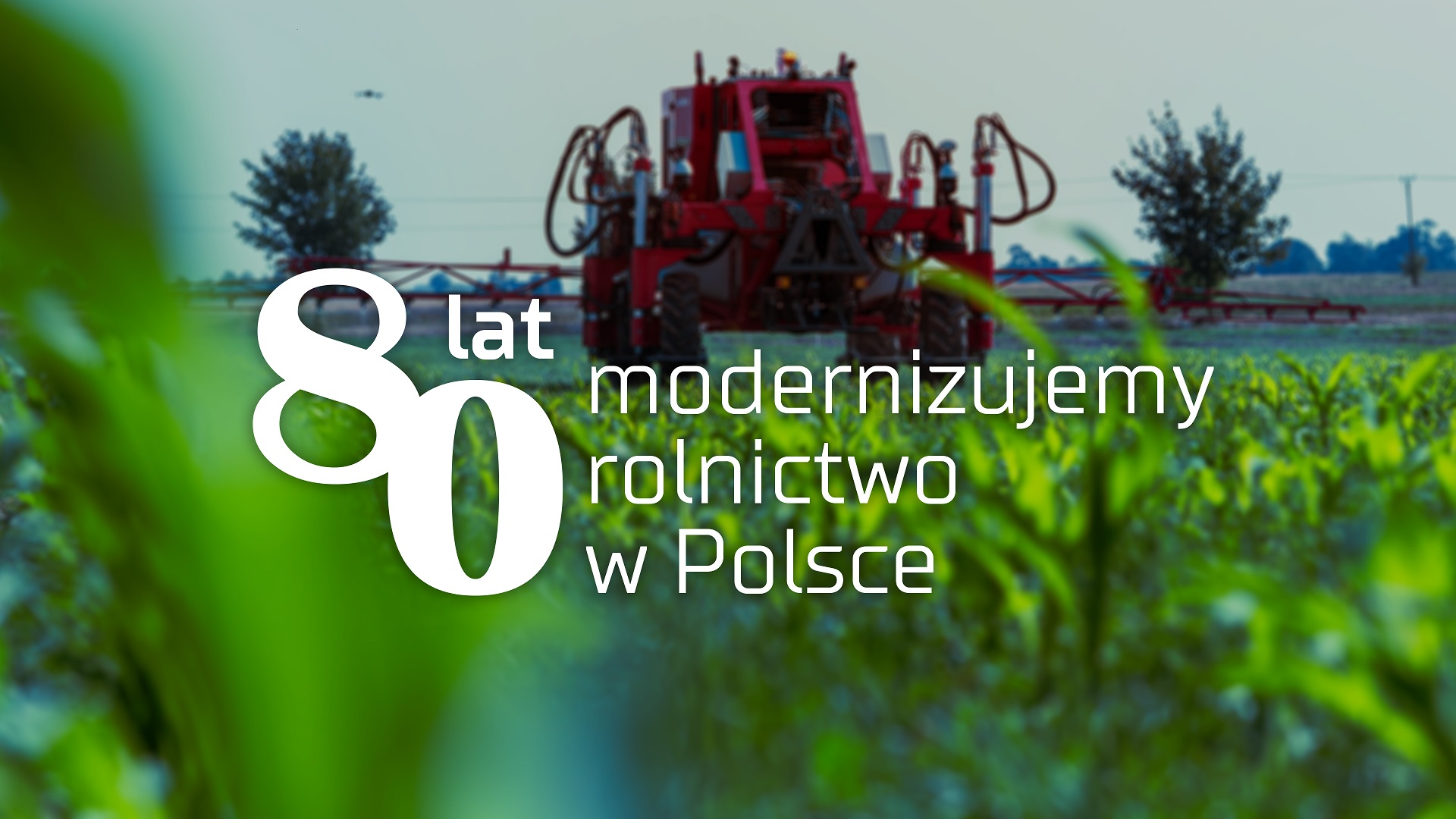
Eighty years ago, the Central Design Office for Agricultural Machinery began its work, laying the foundations for the Industrial Institute of Agricultural Machinery. Eight decades have seen hundreds of machine prototypes, thousands of research studies and published scientific articles. This is the history of agricultural engineering since the post-war period. Today, its work is continued by Łukasiewicz – Poznań Institute of Technology.
One of the first projects was a horse-drawn multi-purpose machine for weeding and spraying. It was here, in collaboration with the Płock-based Harvesting Machinery Factory, that the prototype of the Bizon combine harvester was developed. Today, the designers create autonomous field robots and digital tools for agriculture.
It began modestly, with the Central Design Office for Agricultural Machinery, comprising just two staff members, which commenced operations on 1 March 1946. Its task was to “develop and improve the design of agricultural machinery and tools”. From the outset, however, it struggled with a shortage of qualified engineering staff – it was not until two years later that the first post-war graduates of the Engineering School in Poznań joined its ranks.
Year by year, the Office expanded, eventually becoming the Institute of Agricultural Machinery in 1954. Even then, it was located on Starołęcka Street, on the premises of the “15 December” Agricultural Equipment Factory. Six years later, the adjective “Industrial” was added to its name.
The PIMR comprised three research departments: the Department of Agricultural Machinery, the Department of Agricultural Tools, and the Department of Livestock and Farm Equipment. In later years, the number of departments grew, and the Institute itself developed rapidly. In the 1960s, it employed over 700 people, and most of the agricultural machinery produced in Poland was the result of their work.
The combine harvesters have gone out into the fields
It was they who, in the early 1970s, together with designers from the Płock Harvesting Machinery Factory, designed the popular Bizon combine harvester. Previously, they had produced the design documentation for the ŻMS-4 (Self-Propelled Combine Harvester) and collaborated on the design of the first Polish combine harvester, the Vistula.
In the late 1970s, PIMR began to move away from design and prototyping work in favour of exploratory, developmental, predictive and certification research. It also certified agricultural machinery introduced onto the Polish market.
In the years that followed, research focused on modelling and optimising the technological processes occurring in agricultural machinery, their dynamics, energy consumption and environmental impact. Theoretical and practical foundations were also established for new designs and the modernisation of machinery.
In the early 1990s, as a result of changes in Poland’s economic situation, the Institute underwent restructuring. This led to the development of the EU-accredited and notified Agricultural Machinery Research Laboratory.
In 2019, PIMR joined the newly established Łukasiewicz Research Network, and three years later, together with four other Łukasiewicz institutes from Poznań, it formed the Łukasiewicz – Poznań Institute of Technology.
Drones have taken to the skies over the fields
Today, research and development efforts are centred on Agriculture 4.0. It was here that Poland’s first autonomous field robot, designed for maize cultivation, was developed. Researchers are working, among other things, on an intelligent system for detecting undesirable phenomena on plantations, such as disease symptoms, nutrient deficiencies, drought or the appearance of pests. They also design machines and equipment for the food industry, such as an onion peeling line.
Eighty years of activity have yielded several hundred machine prototypes, over 1,200 design documents and thousands of scientific publications. And a constant drive to modernise agriculture in Poland.
FIND OUT MORE
26 March 2026
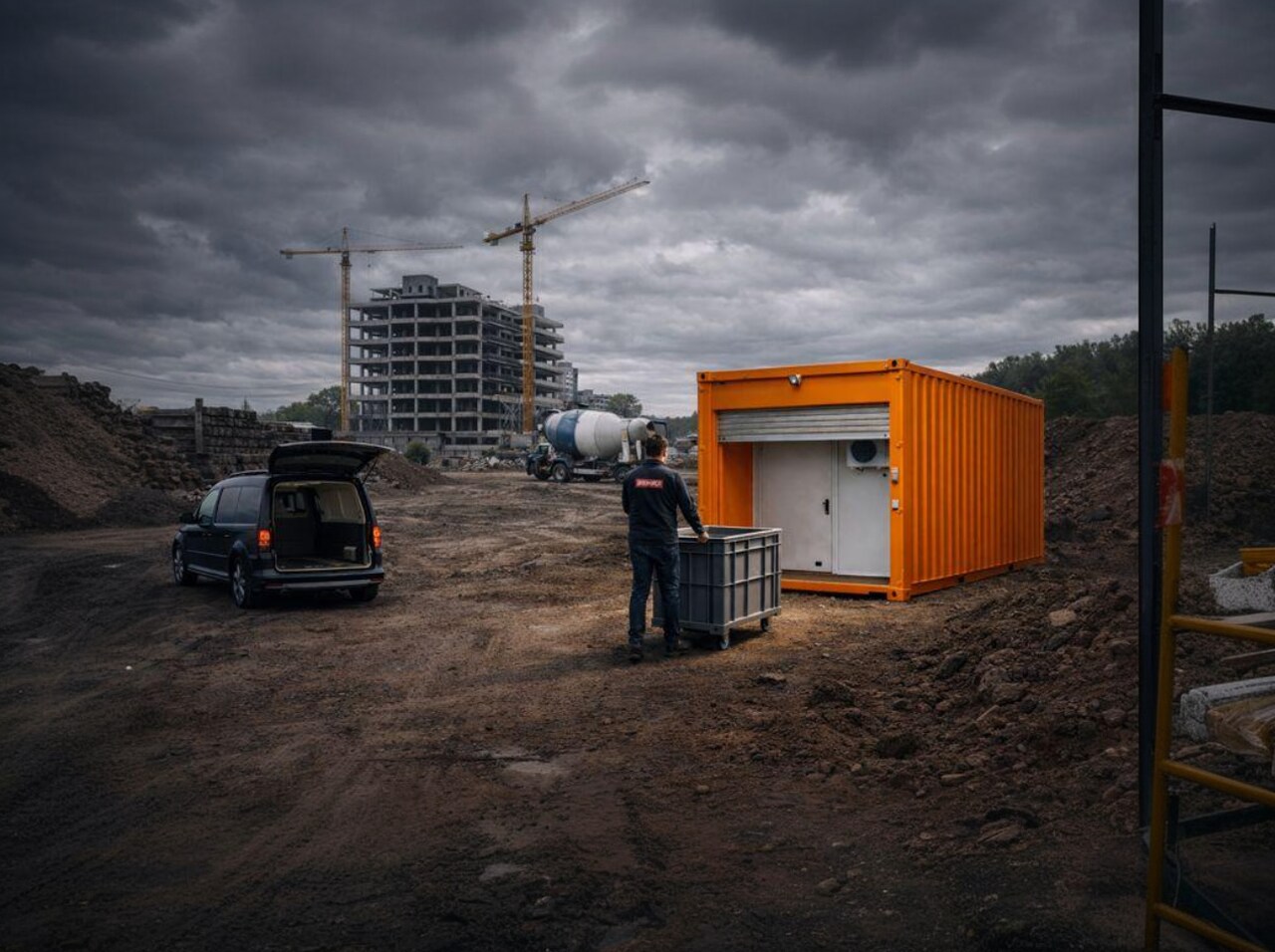
CAPSA. A new product from Łukasiewicz – PIT
9 April 2026
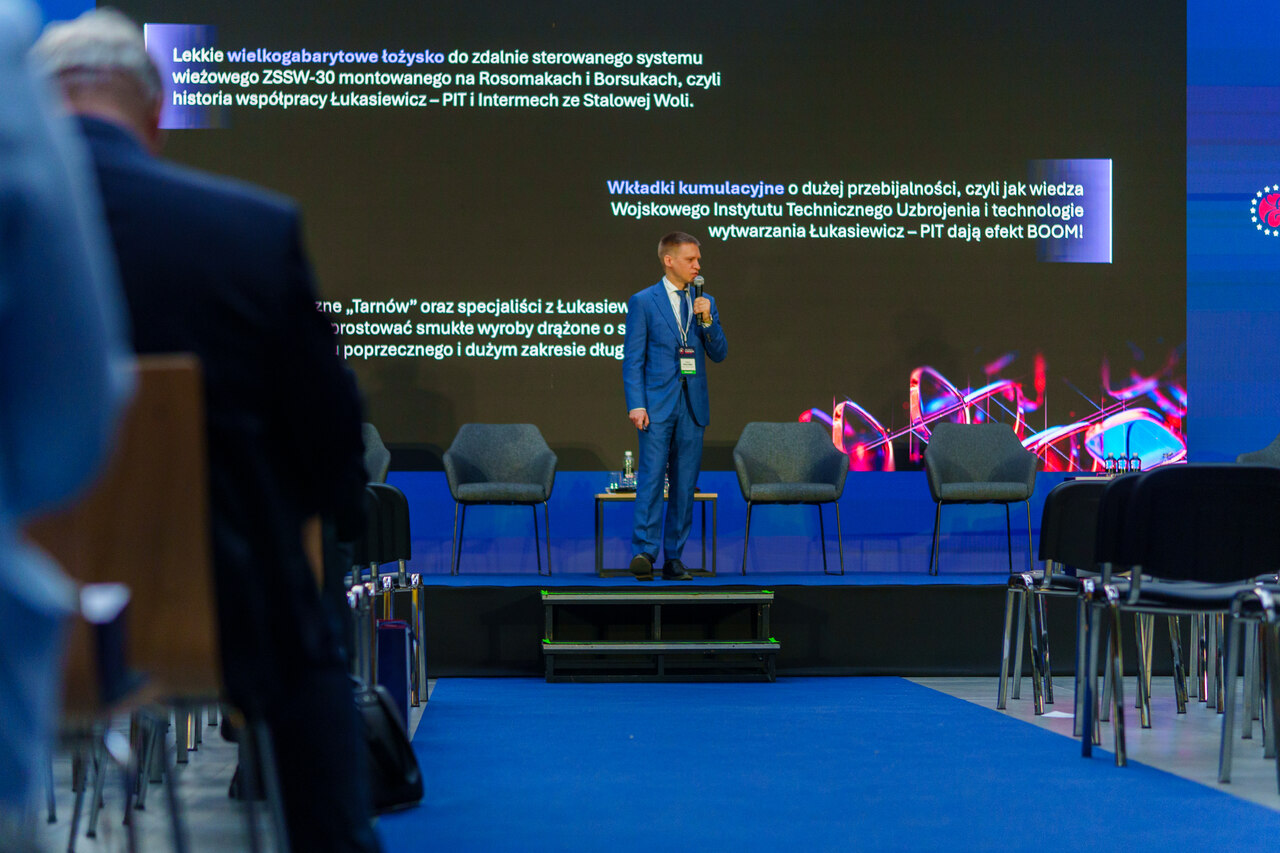
Łukasiewicz – PIT at the ‘Defence and Dual-Use Investment Zone’ conference
17 December 2025
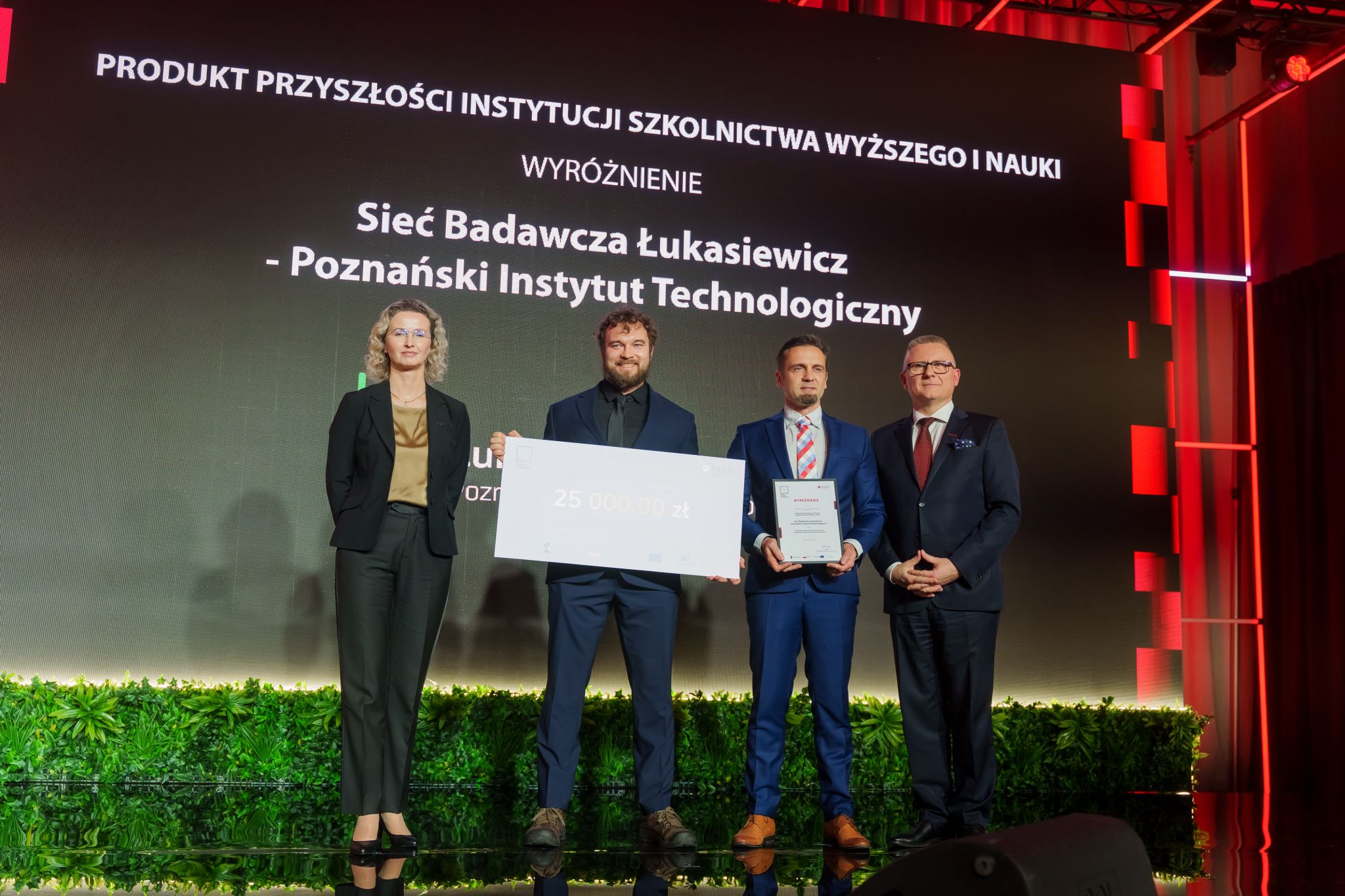
Axially asymmetrical spinning distinguished in the Polish Product of the Future competition

10 December 2025
The future of the forestry and wood sector as seen by experts from around the world. We have just concluded Wood-Science-Economy
 SEE ALL NEWS