






Łukasiewicz – Poznań Institute of Technology in the TOP 10 of scientific entities with the highest grant acquisition efficiency
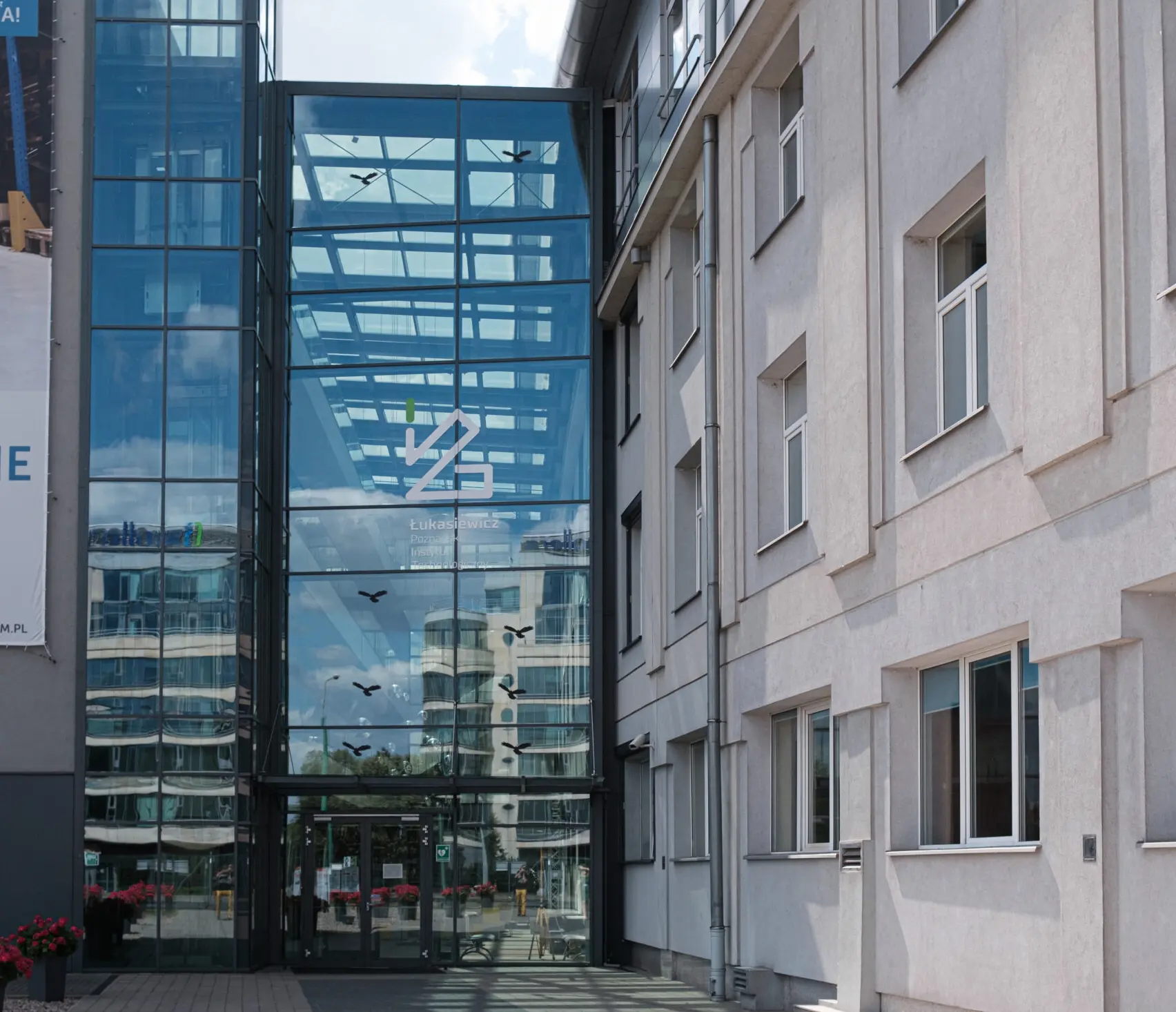
Innovative, large, international – this is how the projects implemented by Łukasiewicz – Poznan Institute of Technology can be described. There are more than sixty of them, with a total value of PLN 140 million.
Łukasiewicz – PIT has been ranked among the top ten research organisations to secure the largest funding under Horizon Europe in Poland. The institute was awarded €6.7 million to carry out 10 projects. Its SAFARI project ranked second in terms of individual funding. It is worth €3.7 million and is being carried out with the participation of 11 consortium partners.
“We are among the leaders because we have an excellent team, experience and technical and organisational resources,” emphasises Arkadiusz Kawa, director of Łukasiewicz – PIT. “We undertake bold projects, but above all those that address social and business needs. We combine different areas, such as digital transformation with modern mobility, which allows us to develop interdisciplinary solutions. This is the direction in which the changes we are witnessing today – and will continue to witness in the coming years – are heading,” he adds.
The Łukasiewicz – Poznań Institute of Technology has been operating since January 2022. It was formed through the merger of five Poznań-based institutes operating within the Łukasiewicz Research Network. The Poznań centre’s activities focus on areas related to the sustainable economy, digital transformation and modern mobility.
Sustainable Economy
The international SAFARI project, which begins this December, focuses on the safe and sustainable production of innovative 2D materials, namely MXenes and MXene/graphene hybrids. Due to their specific properties, these materials will be suitable for use in, amongst other things, biosensors, electronics, energy, catalysis and biomedicine. Another application will be coatings to protect against electromagnetic radiation and electromagnetic interference.
Scientists are also working on a standardised implant set for minimally invasive corrections of thoracic surgical defects. This will allow doctors to dispense with the wire previously used to attach implants to the ribs during procedures. This method previously carried a high risk of damaging the ribs, tissues or organs. The new implant set is to consist of a corrective plate and fixing plates, together with instruments. It will be made of 316LVM austenitic stainless steel or a titanium alloy (Ti6Al4V). In addition to Łukasiewicz – PIT, the consortium also includes the AGH University of Science and Technology and BHH Mikromed Sp. z o.o.
Łukasiewicz – PIT also carries out projects in the field of construction. One of these is BASAJAUN, an international project aimed at creating sustainable links between rural and urban areas through circular and innovative value chains in timber construction. The aim of BASAJAUN is to develop a strategy for optimising forest resources for the construction of a model building – a four-storey block comprising 16 flats. It is to be built mainly from timber and wood-based materials, including waste materials.
Modern Mobility
This project could revolutionize last-mile logistics in congested cities. GRETA aims to create transshipment microhubs in the central districts of major cities. Shipments will be delivered to these hubs by car, but couriers on electric bicycles will then distribute them further. This is intended to reduce the number of delivery vehicles in city centers, which will help lower greenhouse gas emissions. The first microhub is set to open next year in Poznań, and the project is also being implemented in other European cities.
It is estimated that by 2030, 100,000 electric car batteries will reach the end of their useful life. Their recycling and reverse logistics already pose a challenge today, which is why the BatteReverse project was created. It aims to help develop faster ways to discharge and diagnose batteries, safer and cheaper methods of packaging and transport, an automated process for sorting and shredding them, and a more precise assessment regarding their reuse. Researchers at Łukasiewicz-PIT are working, among other things, on creating a reverse logistics model for these batteries.
Specialists in the field of modern mobility are working to develop a comprehensive control system for hydrogen-powered vehicles, in line with the latest technological advancements. The project’s objectives align with current strategies for the development of the hydrogen economy in Poland and Europe, the transition to a low- and zero-emission economy, and the use of alternative fuels. The project’s results will be commercialized, supporting the development of hydrogen technology and the hydrogen economy in Poland. The partner in the H2CONTROL project is H. Cegielski – FPS Sp. z o.o.
Łukasiewicz – PIT is the leader of a project aimed at creating a prototype railway braking system for road-rail vehicles that pull railcars. Compared to foreign proposals, this system will be distinguished by: dual control of the railway brake (redundancy), a module for monitoring the psychophysical activity of the track-road machine operator, an automatic pressure equalization system in the control tanks of the railcars, integration of the brake system controller with the vehicle controller, and system diagnostics based on a data bus.
Work on the Polish Robot is now in its final stages. This intelligent device sows, fertilizes, sprays, and mechanically removes weeds all on its own. It could therefore become the sole tool for managing corn cultivation—the world’s most popular grain. The robot can independently identify plant species, assess their condition and fertilizer needs, and detect disease outbreaks and pests. Two Łukasiewicz institutes—PIT and Łukasiewicz–ILOT—are involved in the project, as well as UNIA sp. z o.o., a manufacturer of agricultural machinery that will bring the Polish Robot to market.
Digital Transformation
Tracker 2.0 is a project aimed at developing a new system for issuing licenses for the international trade of goods, technologies, and services of strategic importance (military equipment and dual-use items). As part of this project, a new public registry of licenses for the trade in sensitive goods will be created, and a new A2B e-service—Licensing and Recording of Trade in Sensitive Goods—will be implemented.
Experts from Łukasiewicz – PIT are also working on a project designed to streamline the work of Polish government agencies and enable them to better serve citizens and businesses. This is the Public Administration Catalogs initiative—providing up-to-date and comprehensive data on public institutions and services, as well as related document templates and government information resources.
FIND OUT MORE
15 November 2023
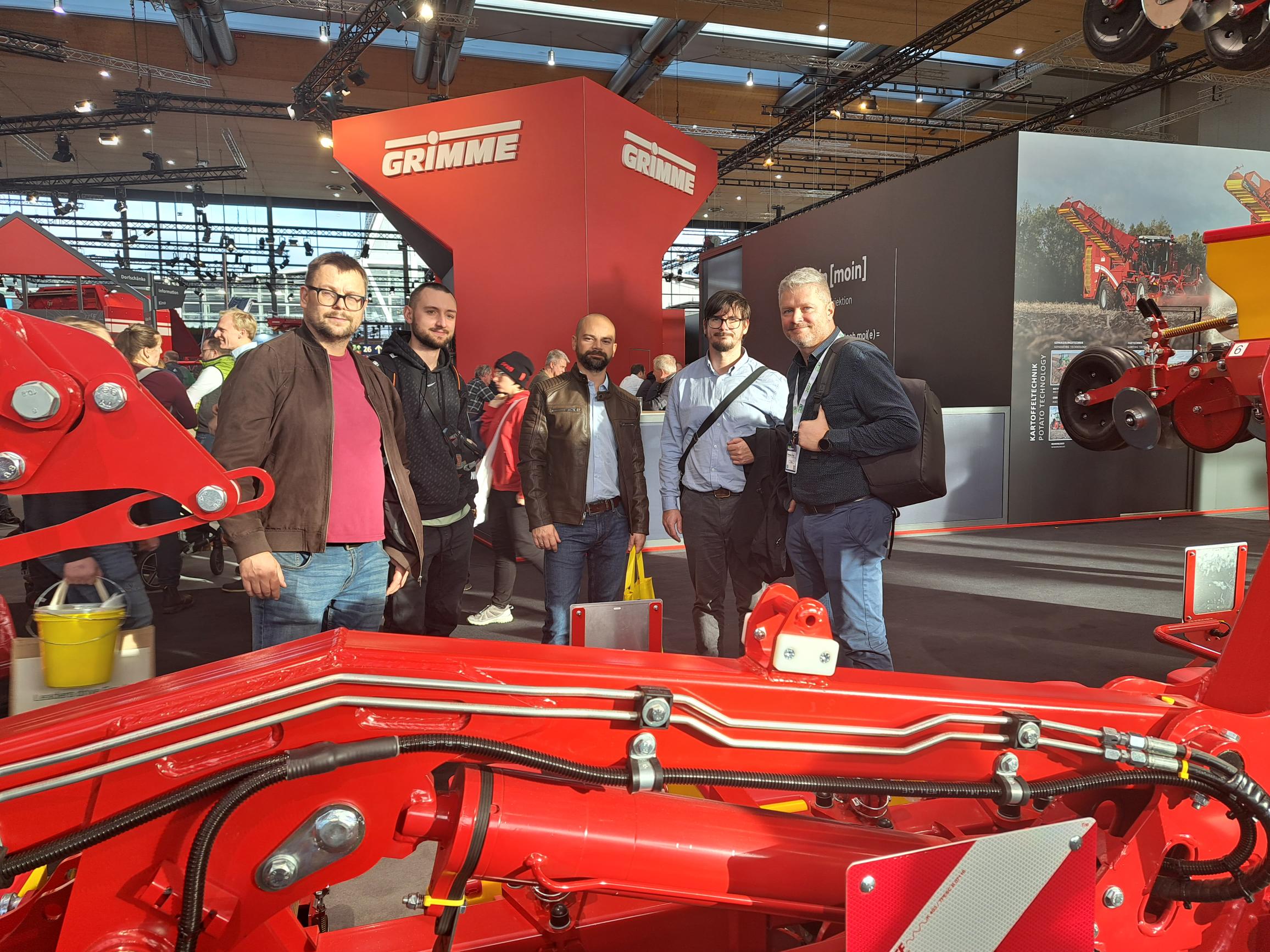
Łukasiewicz – PIT at Agritechnica agricultural technology fair
17 November 2023
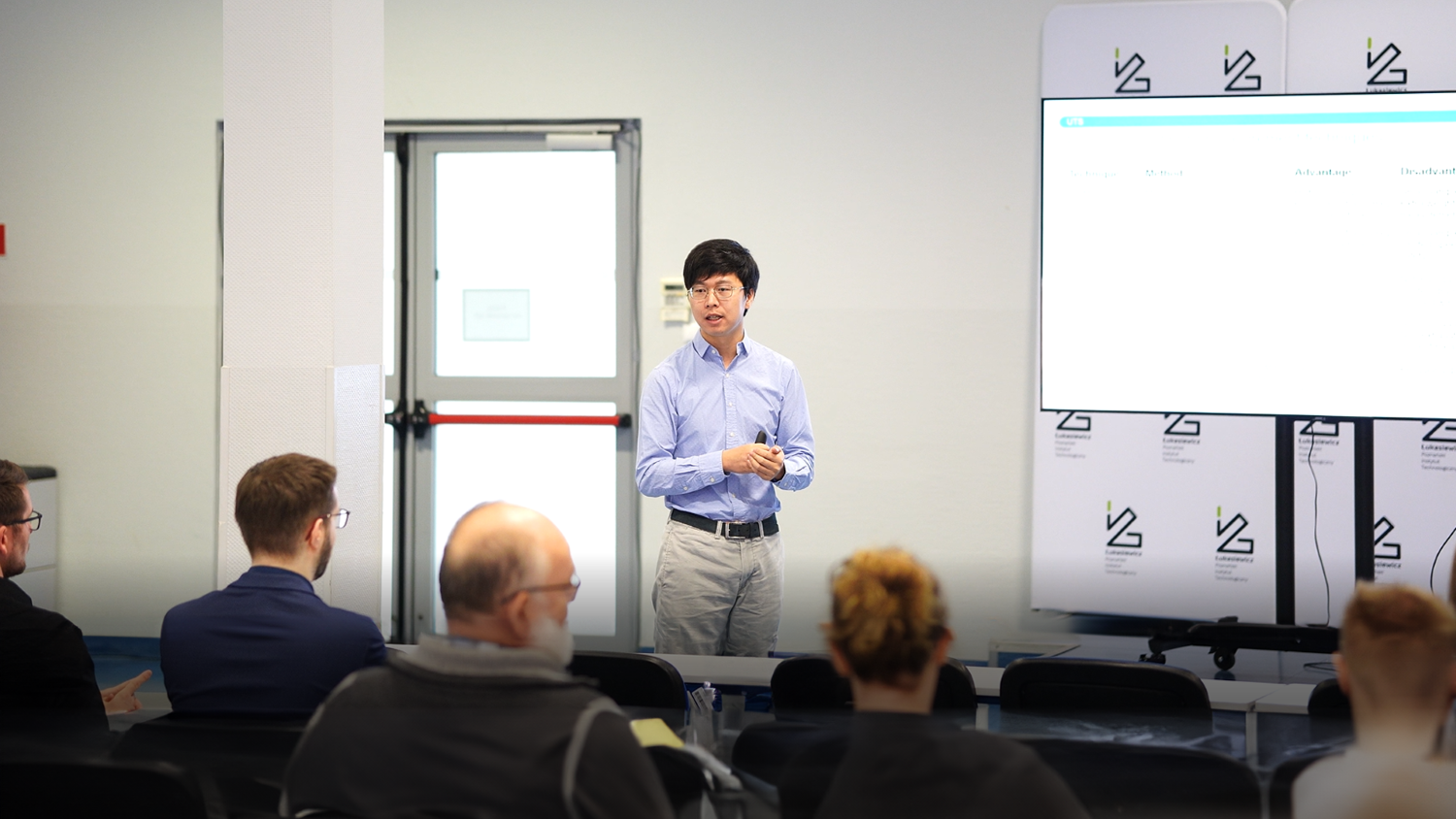
Seminar by Dr. Yuhan Huang from the University of Technology in Sydney at Łukasiewicz – PIT
25 October 2023
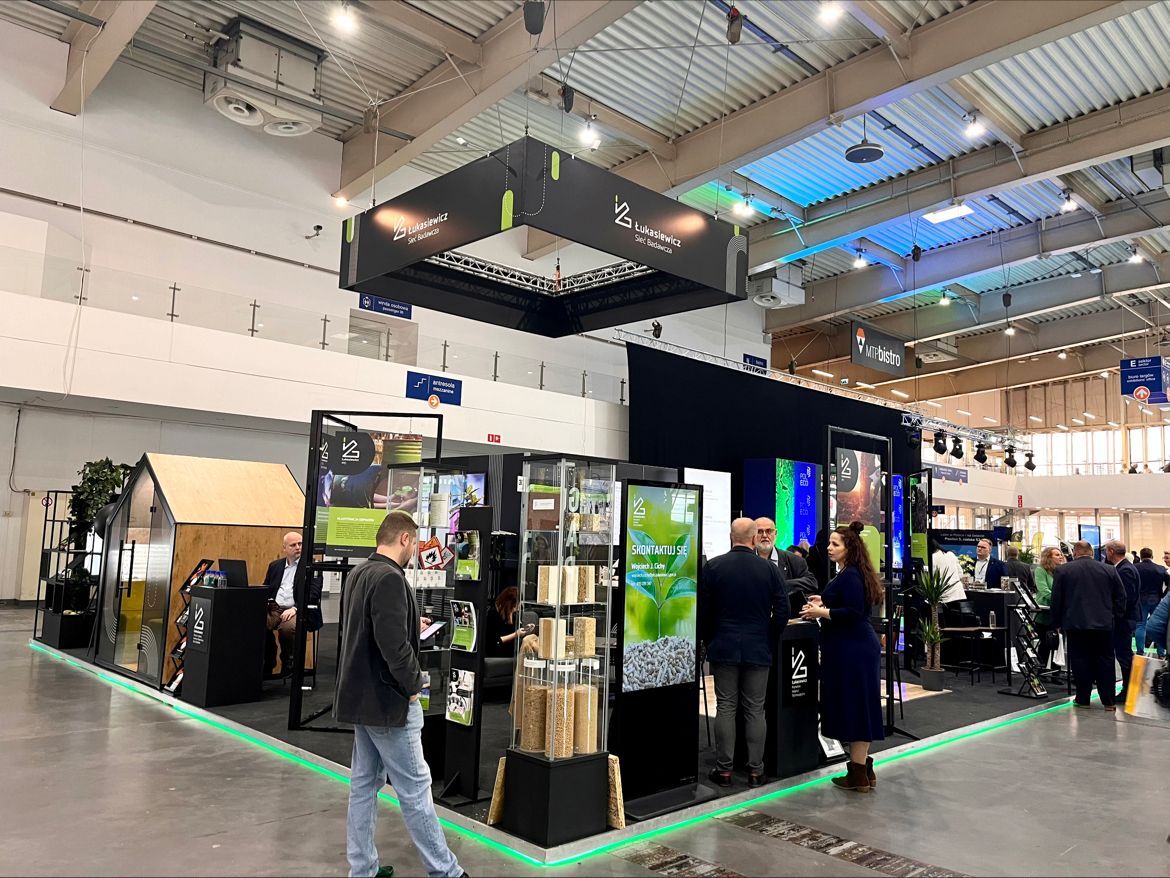
Łukasiewicz – PIT at the International Trade Fair for Environmental Protection POLECO
23 October 2023
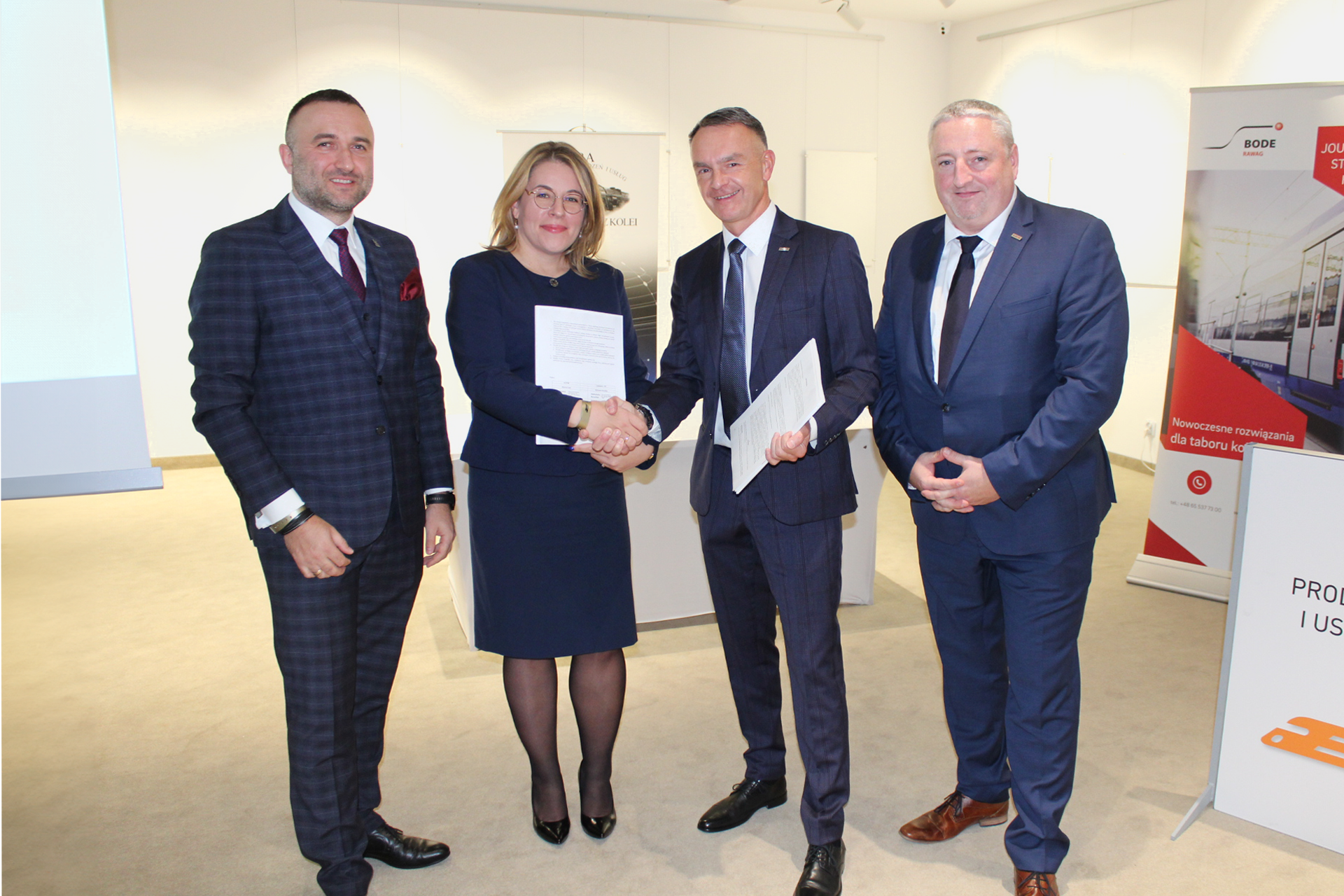
Alstom and Łukasiewicz – Poznań Institute of Technology sign a letter of intent regarding cooperation
 SEE ALL NEWS